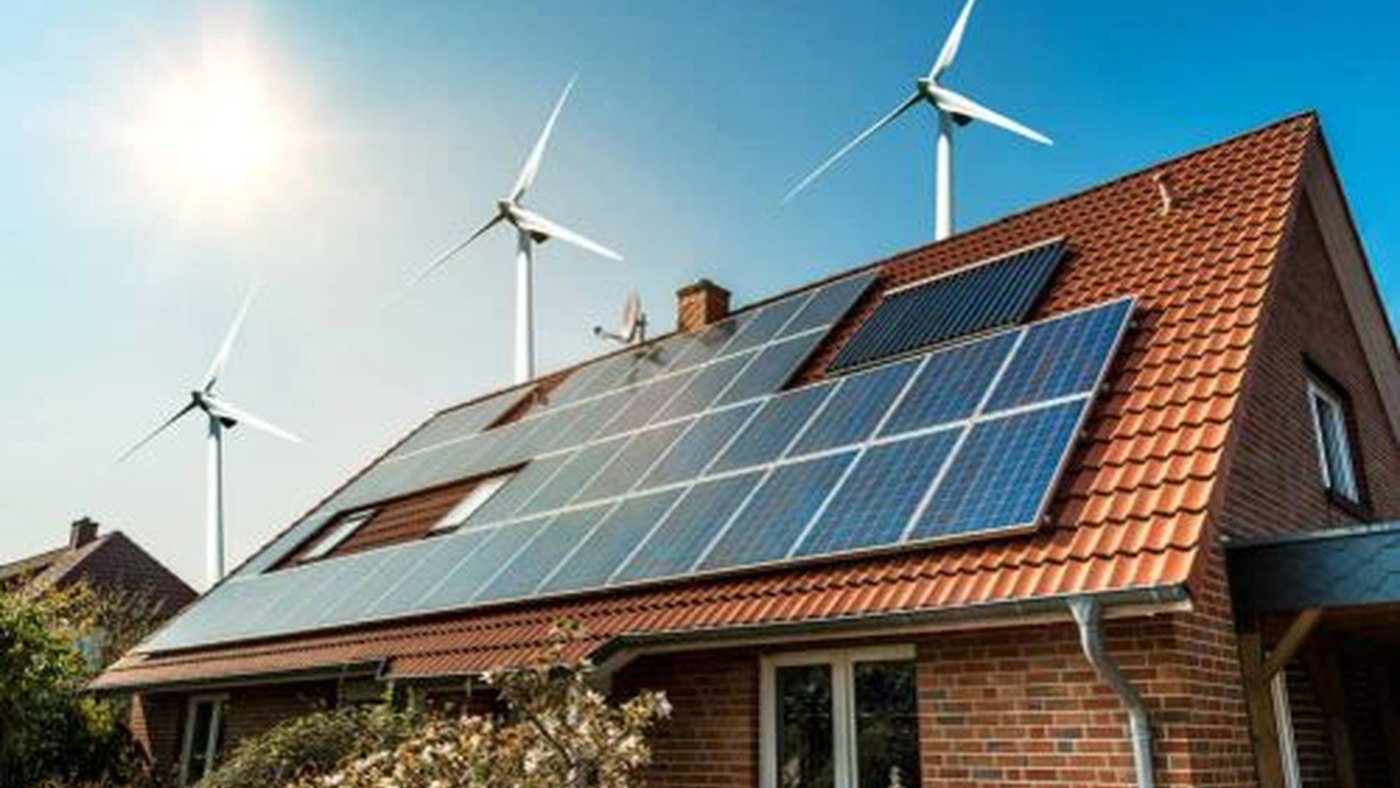
A roof and a solar array occupy the same square of the home, share the same weather and are usually financed from the same budget — yet they are frequently planned months apart. Doing them in the right order protects both investments.
Why sequence matters
Solar panels are mounted on the roof surface and wired through the roof structure. If shingles are replaced after the array is installed, the panels must be removed, stored, re-mounted and re-commissioned. If the array goes on first, the roof has to be in genuinely sound condition underneath it.
Planning both together means one set of scaffold or lift access, one weather window and one clean inspection at the end.
Signs your roof should be assessed first
- Shingles curling, lifting or losing their surface granules
- Daylight visible from inside the attic, or damp staining on rafters
- Flashing that has been patched informally around chimneys or vents
- Gutters that overflow and wash grit down the walls after rain
- A roof that has visibly outlived the rest of the house's finishes
If any of these are present, roof renewal comes first and solar follows once the new surface is proven watertight.
Ventilation is not an afterthought
Attic ventilation, ridge and soffit airflow and correct exhaust routing keep a roof deck dry from underneath. When solar panels are added, the array shades part of the roof surface, which changes how heat and moisture behave. Good design keeps the ventilated envelope working properly around the panels.
The best energy upgrade is a dry, well-ventilated roof with a well-mounted array on top — in that order.
What we coordinate on an energy-first renovation
Our teams plan the structural and electrical work as a single programme:
- Roof survey covering deck condition, underlayment, flashing and drainage
- Re-roof or repair with shingles, ridge caps and gutters specified for your climate
- Array layout planned around vents, chimneys and future maintenance access
- Electrical integration with inverters, monitoring and battery-ready wiring
- Handover including care notes, warranty registration and monitoring guidance
An honest note on savings
Every home is different. Orientation, shade, roof pitch and local weather all change how much energy a system can produce, so we never quote a promise we cannot support. Instead, we explain the variables clearly and let the engineering — not a sales script — guide the specification.
Planning your upgrade
If you suspect your roof is approaching renewal, or you are weighing whether solar makes sense for your property, a single site visit can answer both questions. We will inspect the roof, talk through options and give you a written summary to consider in your own time.